Overview Pest Control Niagara for bed bugs, ants, cockroaches, and rodents
Overview Pest Control Niagara for bed bugs, ants, cockroaches, and rodents
Blog Article
A pest infestation rarely stays limited to one room. Bed bugs can spread through sleeping areas, ants can follow food and moisture, cockroaches can shelter behind appliances, and rodents can get in through gaps smaller than a coin. The right solution depends on the pest, the scale of the infestation, and the state of the property.
Pest Control Niagara services may cover inspection, pest removal, targeted treatment, repairs to entry points, and follow-up care. This guide describes what to expect for bed bugs, ants, cockroaches, and rodents, along with cost factors, preparation steps, safety advice, and practical pest prevention.
Pest Control Niagara: When Professional Help Is Needed
A lone insect does not always mean a pest infestation. Frequent sightings, droppings, unusual odours, damaged food packaging, bites, nesting material, or noises inside walls may indicate a larger problem. Some pests stay hidden, so visible activity may represent only part of the issue.
A professional pest control company starts with a property inspection. The technician checks kitchens, bathrooms, bedrooms, basements, attics, wall voids, storage areas, exterior walls, and possible entry points. This pest inspection helps identify the species, nesting areas, food sources, moisture, and routes used to enter the building.
Professional pest control should address the cause, not only the insects or animals you see. Integrated pest management combines inspection, sanitation, exclusion, monitoring, targeted products, and follow-up treatment. This approach often reduces repeat applications because it removes the conditions that support the pest.
Residential pest control may focus on living areas and family safety. Commercial pest control often requires service records, scheduled monitoring, food-handling precautions, and a treatment plan that fits business operations. Ask whether the provider offers same-day service or emergency pest control if the situation affects health, sleep, food storage, or business activity.
Mosquito Man is one business name consumers may encounter when researching pest services. Compare the proposed inspection process, treatment details, preparation instructions, and service guarantee rather than choosing based only on a quick response.

Bed Bug Management and Prevention
Bed bugs stay hidden in seams of mattresses, bed frames, box springs, furniture joints, baseboards, and small gaps near sleeping areas. They consume blood and may leave itching bites, dark spotting, shed skins, or tiny pale eggs. Some people have no skin reaction, so the absence of bites does not rule out bed bugs.
A bed bug inspection should cover the bed and nearby furniture first, then move into adjoining rooms when signs suggest movement. A technician may inspect seams with a flashlight, check cracks around the bed, examine upholstered furniture, and look for live insects or droppings. Do not move mattresses or furniture to another room before the inspection. Moving items can spread the infestation.
Bed bug treatment is based on the number of insects, the rooms affected, and the construction of the property. Heat treatment heats indoor spaces to levels that kill bed bugs and eggs when the heat reaches every hiding place. Technicians must monitor the process because cold spots can let insects live.
Other treatments may use carefully placed products, vacuuming, steam, monitoring devices, and repeated visits. A single application may not affect every egg or hidden insect. Ask whether the quote includes a follow-up inspection and follow-up treatment.
A mattress encasement can trap bed bugs already inside a mattress and make future inspections easier. Choose a product designed for bed bugs, close it fully, and keep it on for the period recommended by the technician. Wash and dry bedding according to the service instructions. A hot dryer cycle may help with suitable fabrics, but do not treat belongings without checking heat and fabric limits.
- Take away clutter from floors and around the bed.
- Place in bags clothing and bedding before moving them.
- Do not discard furniture unless advised, since removal can spread insects.
- Do not apply household chemicals to beds or upholstery without checking the label.
- Observe every preparation and re-entry instruction from the provider.
Ant Control for Indoor and Outdoor Infestations
Ants often enter through gaps around windows, doors, pipes, foundations, and utility lines. Indoor trails may lead to sugar, grease, pet food, water, or damp wood. Outdoor nests can sit beneath paving, mulch, stones, decks, or wall edges.
Finding the species matters because different ants respond to different products. A technician tracks trails and looks for entry points, nesting conditions, and food sources. Spraying visible ants may provide temporary relief while leaving the ant colonies intact.
Ant bait works because workers carry food back to the colony. Bait stations or liquid placements can reach the nest over time. You may see more activity at first as ants find the bait. Do not spray over bait or clean away placements unless the technician instructs you to do so.
To support ant control, wipe food residue from counters, rinse recycling, seal dry goods, repair leaks, and trim vegetation that touches the building. Seal gaps after treatment when appropriate. Blocking an entry point before the colony is addressed may push ants to another route.
Outdoor treatment should focus on nesting areas and building access rather than broad, unnecessary application. Ask about safe application near gardens, play areas, pets, and edible plants.
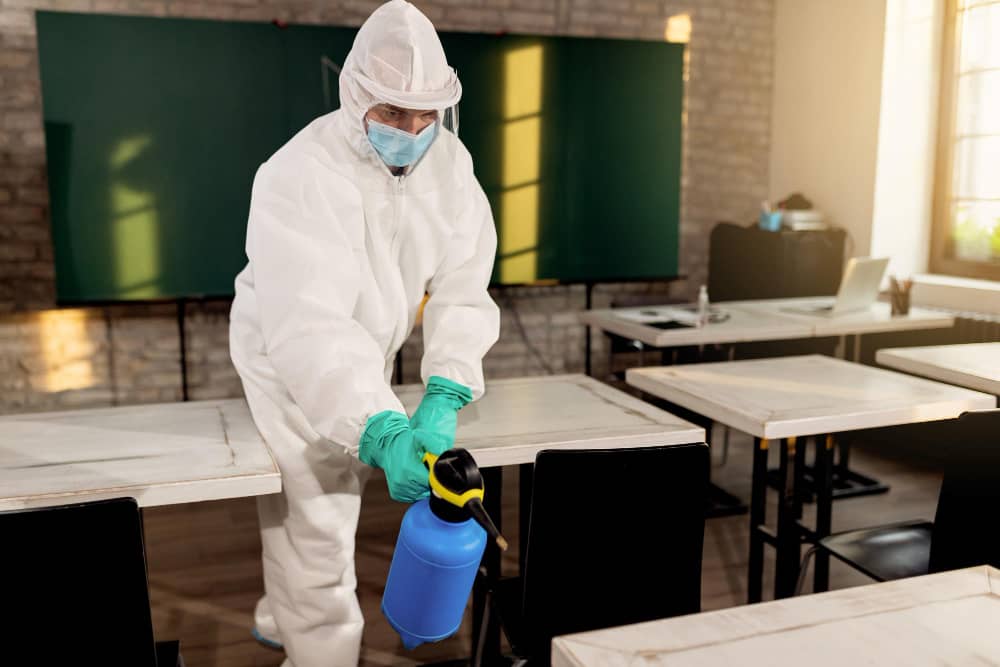
Roach Control and Cleaning Steps
Cockroaches stay hidden in warm, dark areas near food and water. Common hiding places include behind refrigerators, beneath sinks, inside cabinets, around plumbing, and near appliances. Droppings, shed skins, egg cases, unpleasant smells, and live insects may signal activity.
Cockroach control usually combines inspection, sanitation, monitoring, exclusion, and targeted treatment. Gel bait is often applied in small amounts near harbourage areas, cracks and crevices, cabinet copyrights, appliance voids, and plumbing gaps. The product must remain undisturbed so cockroaches can feed on it.
Sanitation does not replace treatment, but it makes treatment more effective. Store food in sealed containers. Clean grease from cooking areas. Empty rubbish on a regular basis. Repair dripping taps and dry damp surfaces. Remove cardboard and paper clutter, which can provide hiding places.
Do not use foggers or large amounts of spray without professional guidance. These products may push cockroaches deeper into walls, contaminate surfaces, or create risks for people and pets. A technician may place monitors to track activity and decide whether another visit is needed.
In apartments and shared buildings, cockroach control may require attention to adjacent units, shared plumbing, garbage areas, and wall voids. Treating only one room may not limit movement through the building.
Rodent Management, Exclusion, and Removal
Mice and rats can damage insulation, chew wiring, pollute food, and leave droppings along walls or in cupboards. Scratching sounds at night, gnaw marks, nesting material, and a musky smell can indicate rodent activity.
Rodent control starts with finding how animals enter. Rodent exclusion means sealing gaps around foundations, doors, vents, pipes, roof lines, and utility openings with materials that rodents cannot click this link easily chew. A mouse can pass through a gap about as wide as a pencil, so small openings deserve attention.
Traps may be placed along walls, behind appliances, near droppings, or beside travel routes. Their position matters because rodents commonly move beside edges rather than across open floors. Keep children and pets away from traps and follow all service instructions.
Do not seal every suspected opening before confirming whether rodents remain inside. Sealing animals into wall voids can create odours and damage. A technician may combine traps, monitoring, sanitation, and staged exclusion.
Store food and pet food in secure containers. Clean spills quickly. Remove nesting materials and reduce clutter after activity has stopped. Rats may require larger traps, stronger exclusion materials, and a closer review of exterior conditions than mice.
What You Can Expect During a Pest Treatment Visit
The first visit usually opens with a pest inspection. Tell the technician where you saw the pest, when you first noticed activity, what products you used, and whether anyone has health concerns. Pictures, droppings, damaged packaging, and bite patterns can help, but a property inspection is still necessary.
The treatment plan should identify the pest, affected areas, treatment method, preparation requirements, safety instructions, and likely timing. It should also explain whether you need to leave, remove food, cover items, wash surfaces, or keep pets away from treated areas.
Some jobs finish after one visit. Bed bugs, established cockroaches, and larger rodent problems often need monitoring or a follow-up visit. A follow-up inspection checks for live activity, new droppings, surviving insects, and conditions that were overlooked during the first service.
Ask what a service guarantee protects. A service guarantee may include a return visit within a stated period, but terms vary by pest and by customer preparation. Confirm exclusions, time limits, covered rooms, and whether structural repairs are included.
Pest Treatment Costs and Service Factors
Treatment pricing depends on the pest, property size, number of rooms, severity, access, treatment method, and number of visits. Bed bug work may cost more than a small ant treatment because technicians may need detailed preparation, heat equipment, multiple rooms, and follow-up monitoring.
An inspection fee may be charged apart from treatment. Some providers apply the fee toward service if you proceed, while others charge for assessment time regardless of the outcome. Ask for a detailed written estimate that states taxes, preparation, return visits, and any exclusion repairs.
A one-time treatment can suit a limited ant problem or an isolated outdoor issue. It may not suit a hidden cockroach population, an established bed bug infestation, or rodents entering through several openings. Recurring service may include planned inspections, exterior treatments, monitoring devices, and faster response.
Request details rather than choosing a low starting price. A useful quote should explain what the technician will do, which rooms are included, how long the service takes, and what happens if activity continues. The cheapest initial visit may not be the lowest total cost if it omits follow-up care or exclusion.
Are Pest Control Treatments Safe for Children and Pets?
Pesticide safety depends on the product, dose, placement, ventilation, surface, and exposure time. A licensed professional should explain the proper application process and provide label-based instructions. Ask questions before treatment, especially if children, pets, seniors, or people with sensitivities live in the property.
Low-toxicity treatment does not mean risk-free treatment. Baits, gels, dusts, sprays, and heat each require specific precautions. Keep food, dishes, toys, pet bowls, and bedding protected as instructed. Never touch, move, or wipe treated areas until the recommended time has passed.
Re-entry time varies. Some services require people and pets to stay out until treated surfaces are dry and rooms are ventilated. Heat treatment may require different instructions for plants, medications, aerosols, candles, electronics, and other heat-sensitive items.
Notify the provider about aquariums, birds, reptiles, and other animals before service. Aquatic species can be especially sensitive to airborne or waterborne contaminants. Move pets away from traps and bait placements, and store all household chemicals securely after the visit.
How to Keep Pests from Entering Your Home
Home maintenance limits the conditions that attract pests. Check foundation joints, window frames, roof edges, vents, screens, and door sweeps. Block suitable gaps after identifying the pest route. Weather stripping around doors can keep out insects, mice, and drafts at the same time.
Food storage is a practical but effective defence. Use sealed containers for flour, cereal, pet food, and snacks. Sweep away crumbs from under appliances. Clean recyclable packaging. Keep rubbish bins closed and wash them when spills occur.
Moisture control matters for ants, cockroaches, and rodents. Address leaks under sinks, improve ventilation in bathrooms, dry damp basements, and clear blocked gutters. Do not leave standing water in containers around the property.
Keep firewood, leaves, cardboard, and unused equipment away from exterior walls. Trim branches and shrubs so they do not touch the building. Examine packages, second-hand furniture, luggage, and stored items before bringing them indoors.
Preventive pest control may include seasonal inspections, exterior monitoring, repairs, and early treatment. A small gap or minor leak is easier to correct before it supports a larger pest population.
Frequently Asked Questions
What pest control services are available in Niagara?
Available pest control services may include pest inspection, bed bug treatment, ant control, cockroach treatment, rodent removal, rodent exclusion, monitoring, sanitation advice, and follow-up treatment. Providers may also offer residential pest control, commercial pest control, recurring service, same-day service, and emergency response, depending on availability.
How much does pest control cost in Niagara?
The price varies with the pest, property size, infestation level, treatment method, access, and number of visits. Ask whether an inspection fee is charged, whether a one-time treatment is suitable, and what the quote includes. A written estimate should explain preparation, follow-up, taxes, exclusions, and any repair work.
How can I prevent pests from entering my home?
Close entry points around doors, windows, pipes, vents, and foundations. Replace weather stripping, keep food in closed containers, clear clutter, control moisture, clean spills, and store rubbish sealed. Routine inspections for droppings, damaged packaging, nests, and gaps can help with early pest prevention.
Are pest control treatments safe for children and pets?
Many treatments can be used safely when used according to the product label and professional instructions. Discuss pesticide safety, low-toxicity products, safe application, ventilation, and re-entry time. Ensure children and pets stay away from treated areas, traps, and bait until the provider says they can return.
How quickly can a Niagara pest control company respond?
Response times depend on appointment availability, pest type, property access, and whether the issue counts as emergency pest control. Some companies provide same-day service for urgent problems. Find out what the first visit includes and whether treatment can start during that appointment.
What pests are most common in the Niagara region?
Common household concerns are ants, bed bugs, cockroaches, mice, rats, and other rodents. Activity changes with weather, building conditions, food access, moisture, and nearby construction. A pest inspection is the surest way to identify the species and plan the correct treatment.
When should I call a professional pest control company?
Call when sightings persist, pests appear in several rooms, you find droppings or nesting material, food is being contaminated, wiring is damaged, or home remedies have not worked. Professional help is also wise for bed bugs, recurring cockroaches, larger rodent activity, and pests entering through hidden structural gaps.
Are eco-friendly pest control options available in Niagara?
Eco-friendly pest control options may involve integrated pest management, exclusion, sanitation, monitoring, heat treatment, targeted ant bait, gel bait, and carefully placed low-toxicity products. Ask what environmental measures the provider uses and how it reduces unnecessary applications. Eco-friendly service still requires careful preparation and following safety instructions.
Report this page